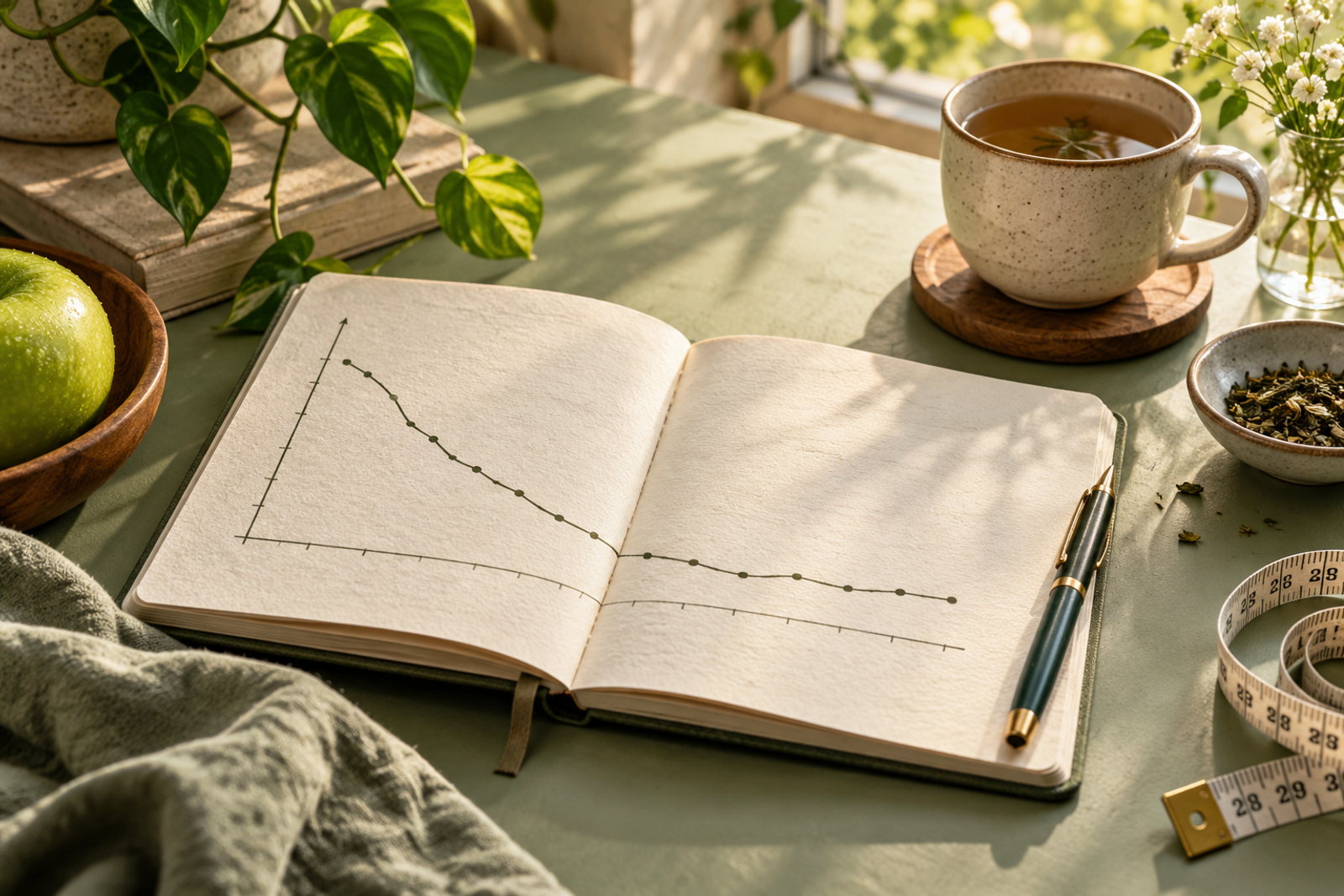
Walking sounds almost too ordinary to count as a weight loss strategy. No complicated equipment, no class to book, no workout vocabulary to learn.
That simplicity can be its biggest advantage. Walking can support weight management, but it can't promise a particular change on the scale. Here's how to build a routine that's useful without turning every walk into a calorie calculation.
What walking brings to the table
CDC guidance on physical activity and weight explains that activity increases the energy your body uses. Alongside changes in food intake, that can help create the calorie deficit needed for weight loss.
The amount of activity needed varies. A certain number of minutes or steps won't produce the same weight change for everyone.
Think of walking as one part of your routine. It can be a practical way to move more, especially if you dislike structured workouts. It doesn't have to carry your entire weight management plan on its own.
And the scale isn't its only job. Regular physical activity can support heart health, sleep, and mental health. Those benefits still count during a week when your weight doesn't change.
How brisk is brisk?
You don't need a speed chart to get started. The CDC's talk test offers a simple guide: during moderate activity, you can talk but not sing. During vigorous activity, you can usually manage only a few words before pausing for breath.
Your moderate pace may be different from someone else's. Hills, weather, fitness, and mobility all affect how a walk feels. You don't need to keep up with the fastest person in your group.
An easy stroll can still be a welcome break from sitting. If your goal includes moderate activity, use how hard you're working to help judge the pace, rather than assuming every walk has the same intensity.
Build from the week you already have
For adults, CDC activity guidelines recommend at least 150 minutes of moderate aerobic activity a week, or 75 minutes of vigorous activity, or a combination. Adults should also do muscle-strengthening activities on at least two days.
You can split activity into shorter sessions. If you're starting from very little, you don't need to reach the full weekly recommendation immediately.
Try planning around three questions:
- Where could a walk fit naturally? Before your commute, after lunch, or while someone else handles an evening task?
- What's a comfortable starting amount? Choose something that suits your current ability.
- What will you do when the usual plan falls through? An indoor route or a shorter session may help.
Here's an example, not a prescribed workout schedule:
| A possible walking plan | |
|---|---|
| You're starting with little regular activity | Try a short, comfortable walk on a few days. |
| That amount now feels manageable | Add a little time to one or two walks. |
| You have very little free time | Split a walk into shorter sessions. |
| Your usual route is unsafe or weather-dependent | Find a suitable indoor option or another accessible activity. |
Give yourself room to adjust. A plan that requires perfect weather and an empty calendar probably needs a backup.
Why more steps don't guarantee less weight
Walking can help, but it doesn't give you a reliable promise such as “walk this far, lose this much.” Your overall eating pattern, starting point, and other activity still matter.
You might also find that a new routine changes your appetite or schedule. Perhaps you return from a longer walk hungry and without dinner planned. That's a meal-planning problem you can address, not a reason to ignore hunger.
Instead of trying to cancel out meals with walks, ask whether your meals and activity work together. Do you have enough time to eat? Are you choosing a walking schedule you can maintain? Does tracking steps motivate you, or make the day feel like a test?
You can use a step counter if you enjoy it. You can also leave it at home. The adult activity guidance is expressed in time and intensity; you don't need to chase a particular step total to begin.
Keep walking from becoming a punishment
Missing a walk doesn't create a debt you have to repay tomorrow. Resume with the next manageable session.
Likewise, a meal you enjoyed doesn't need to be “worked off.” That framing can turn a useful habit into something you dread.
Choose comfortable footwear and a route that suits your balance and mobility. If pain, a disability, or a health condition affects your activity, ask a qualified professional about adaptations. Walking isn't the only way to move, and you don't have to force an activity that doesn't work for you.
For your next walk, choose one purpose you can actually notice: taking a break outdoors, spending time with a friend, or practicing a comfortable brisk pace. Let that be enough information for one day.
This article offers general education, not individualized medical advice.
Sources and further reading
About the byline
betterhonestly EditorialThe editorial voice behind betterhonestly. We explore everyday health, nutrition, wellness, and supplements through research-backed information, practical explanations, and a healthy dose of curiosity. Our goal is simple: less hype, more clarity.